
Jeevasamadhis in Puducherry

Siddhar Thaengai Swami
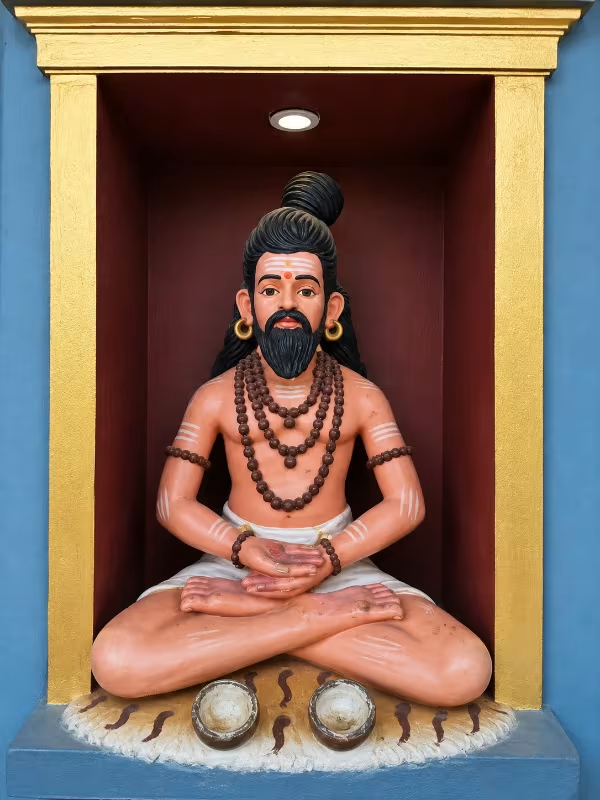
Siddhar Thaengai Swami (Coconut Swami) arrived in Pondicherry from Jaffna, Ceylon (Sri Lanka) around 1939–1940. He settled in Thattanchavady, living in a pump shed owned by Mutalib Sayabu of Sultanpet.
Appearance
According to those who encountered him, Thaengai Swami had a clean-shaven face, neatly groomed hair, or no hair at all based on different accounts. He was tall and well built, with long arms. Witnesses describe him wearing a saffron robe that extended to his feet and having a large saffron dot on his broad forehead.
Healing Work
He was known for his healing abilities and treated people who came to him with various ailments using herbal remedies. His reputation spread across the region, bringing visitors from surrounding areas who sought both medical treatment and spiritual guidance.
Method of Divination
Accounts suggest that Thaengai Swami practiced a distinctive method of divination. Instead of asking for horoscopes or birth details, he would request a coconut and incense sticks.
After lighting the incense, he would break the coconut with a knife and examine the crack patterns and inner shell to reveal insights about a person’s past, present, and future.
Worship at Thattanchavady
During his time in Thattanchavady, it is said that he discovered a Kali idol in a ruined temple nearby and began worshipping it. This deity later came to be revered as Pitariyamman with a dedicated shrine.
Personal Life
Those who knew him recalled that he was vegetarian and was often seen carrying a shiny copper pipe.
Samadhi and Legacy
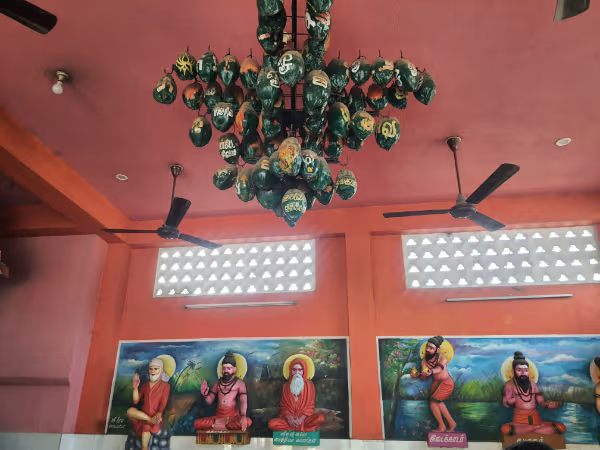
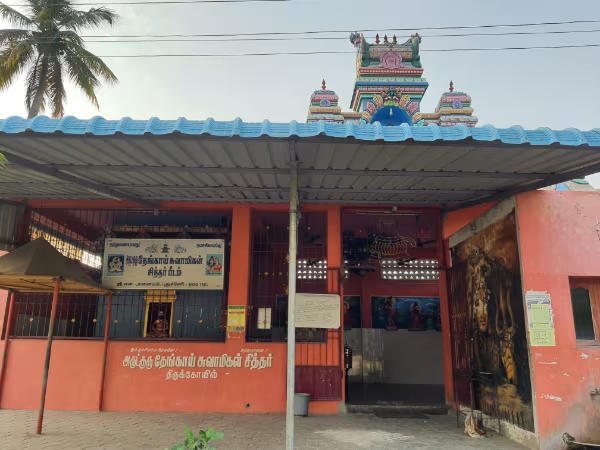
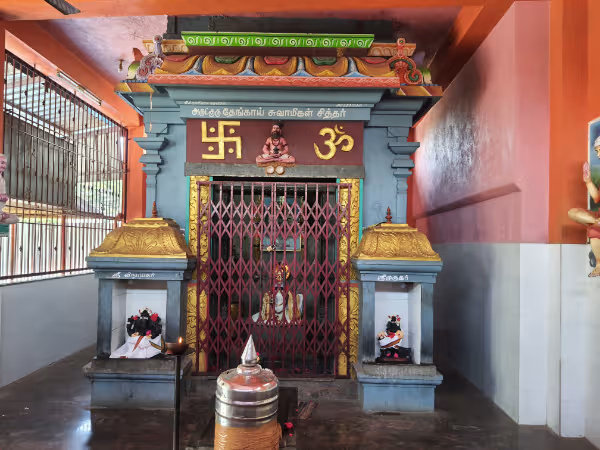
After his passing, Thaengai Swami was laid to rest between the Pondicherry–Villupuram highway and the railway track. A samadhi was built over his final resting place with a Shiva Lingam consecrated above it. His legacy continues through the devotees who visit his shrine, and in recent years a more elaborate temple has been constructed at the samadhi site. The name Thaengai Swami originated from his practice of breaking coconuts during consultations and has endured through generations of followers.1
Footnotes
Thyagi Muthu Sundaramurthy, Villianoor Om Sadguru Shree Ram Paradesi Swamigal.